Blog
Residential Projects in Gurgaon Investors Commonly Evaluate
Powered By - FamilyandFlats January 18, 2026
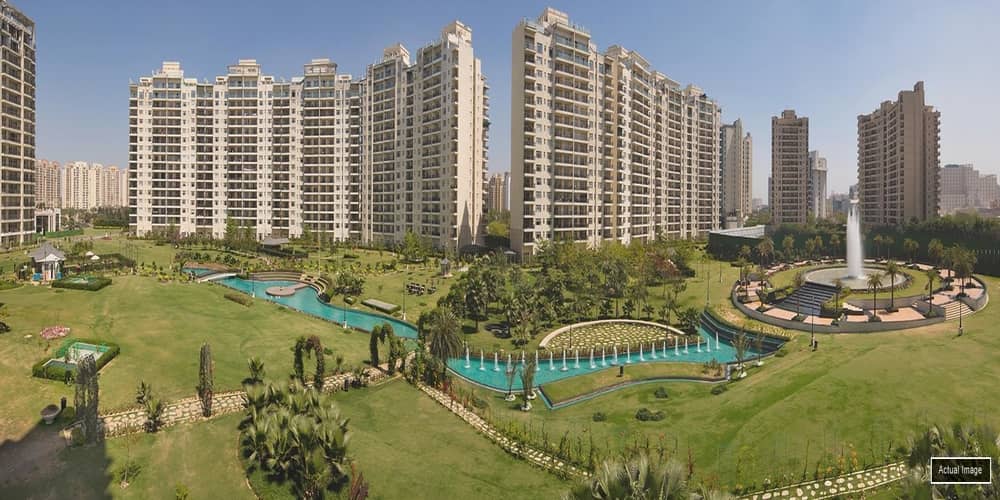
Gurgaon offers residential choices across established luxury neighbourhoods, Golf Course Extension Road, New Gurgaon and the Dwarka Expressway corridor. For an investor, the useful question is not which project is universally 'best', but which project fits the intended holding period, budget, rental objective, risk tolerance and end-user demand. A sound comparison should therefore focus on verifiable project and location factors rather than promised appreciation.
Start With the Micro-market
Location should be assessed at a micro-market level. Golf Course Road has a mature premium ecosystem, while Golf Course Extension Road combines established communities with newer development. Dwarka Expressway has materially improved road connectivity and continues to attract residential supply, while New Gurgaon offers a different mix of price points and project stages. Travel patterns, office access, schools, hospitals and daily retail matter as much as a project's marketing position.
Projects Already Represented in the Family&Flats Inventory
Examples that buyers and investors may encounter in the Family&Flats project inventory include Mahindra Luminare, IREO Victory Valley, IREO Skyon, M3M Golf Estate, DLF The Arbour, Emaar DigiHomes, Pioneer Presidia and other communities across Gurugram. Mentioning a project here is not a recommendation or ranking. Availability, configuration, price, possession status and regulatory information must be verified for the specific unit being considered.
1. Check Project Stage and Documentation
A ready or occupied project, a near-completion project and a newly launched project carry different risks. Review the applicable RERA registration, sanctioned information, possession or completion status, title documentation and the seller's authority to transact. For resale homes, also check dues, society or association records where relevant and the chain of ownership documents.
2. Compare the Right Area and Total Cost
Do not compare two homes only on a headline price per square foot. Confirm whether the quoted figure is based on carpet area, built-up area or another project-specific basis. Add stamp duty, registration costs, maintenance or deposits, brokerage if applicable, financing costs and expected fit-out expenses to understand the real acquisition cost.
3. Evaluate End-user and Rental Demand Separately
A project can be attractive to an end user without necessarily producing a high rental yield, and a rental-oriented purchase may not match a family's long-term lifestyle needs. Look at actual tenant demand, competing inventory, typical unit sizes, maintenance charges and proximity to employment districts. For self-use, prioritise liveability, access, layout and community quality.
4. Look Beyond the Brand Name
Developer reputation matters, but it should be one part of due diligence. Compare delivery history, project maintenance, construction quality, legal documentation, resident experience and the specific tower or unit. A well-known brand does not remove the need to inspect the property and transaction documents.
5. Understand Exit Liquidity
Investors should think about who may buy the property later. Very large luxury apartments can serve a narrower buyer pool than mid-sized homes, while highly standardised inventory may face more resale competition. Floor, view, tower position, unit condition and maintenance outgo can all affect resale liquidity.
6. Treat Return Claims Carefully
Capital appreciation and rental income depend on purchase price, future supply, interest rates, local infrastructure, economic conditions and buyer demand. No project should be selected on a promise of guaranteed performance. Use current comparable transactions and rents, and test conservative scenarios before deciding.
7. Inspect the Specific Unit, Not Only the Project
Two apartments in the same development can have different investment characteristics. Floor height, orientation, view, distance from internal roads or amenities, natural light, noise, condition and parking arrangements can influence both tenant preference and resale demand. For resale properties, inspect the actual unit and ask for current maintenance statements and other relevant records. For under-construction inventory, compare the sanctioned plan and agreed specifications carefully. A project-level shortlist should therefore be followed by a unit-level comparison before any commercial decision.
A Better Shortlist
A practical shortlist normally contains a few projects in the same budget and micro-market, each compared on the same criteria: project stage, documentation, usable area, total acquisition cost, location, maintenance, rental evidence, resale depth and unit-specific quality. That process produces a more defensible decision than a generic list of 'top projects'.
If you are evaluating a purchase, see our property buying support for a structured view of the buying process.
Related reading: What Makes Ultra-Luxury High-Rise Apartments a Wealth-Safe Investment in Gurgaon?