Blog
Ultra-Luxury High-Rise Apartments in Gurgaon: What Buyers and Investors Should Evaluate
Powered By - FamilyandFlats July 31, 2025
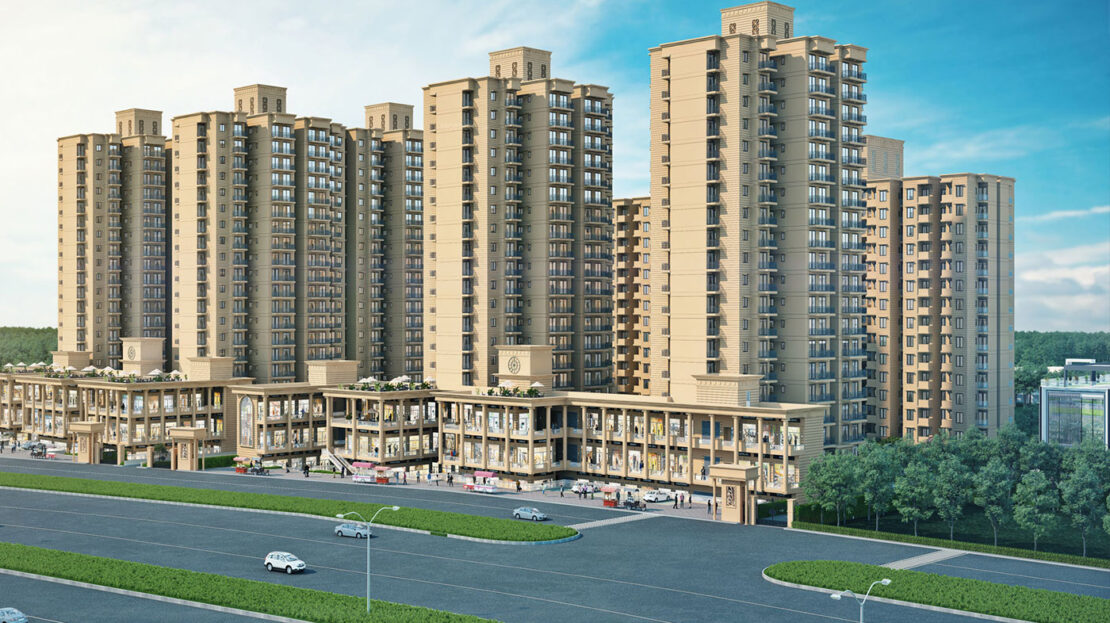
Ultra-luxury high-rise apartments form a visible part of Gurgaon's premium residential market, particularly in established and newer luxury corridors. They can appeal to buyers seeking larger homes, premium amenities, managed communities and prestigious locations. For investors, however, the correct question is whether a specific unit offers a sensible balance of location, acquisition cost, demand, holding expense and resale liquidity.
Prime Location Can Support Demand, but Does Not Remove Risk
Many ultra-luxury developments are concentrated around Golf Course Road, Golf Course Extension Road and other premium sectors with access to offices, schools, hospitals and high-end retail. Scarcity of well-located land can support long-term demand, but premium positioning does not remove market risk. Pricing can still be affected by economic conditions, competing supply, interest rates and the price paid at entry.
HNIs and NRIs Are an Important Buyer Segment
High-net-worth individuals, business owners and NRIs contribute to demand for premium and ultra-luxury housing in Gurugram. Market research has continued to show strength in higher-ticket housing, but demand is not uniform across every project or unit. Buyers should distinguish broad segment trends from the actual depth of demand for a specific configuration, tower and price point.
Large Ticket Size Can Narrow the Resale Buyer Pool
An ultra-luxury apartment may require substantially more capital than a mainstream home, which naturally reduces the number of potential future buyers. Large units, very high maintenance costs or highly customised interiors can further narrow the resale market. Investors should therefore consider how many realistic buyers may exist at the expected future price rather than assume that prestige guarantees liquidity.
Rental Yield May Be Modest Relative to Capital Value
Premium homes can command high monthly rents, but the purchase price is also high. A large absolute rent does not automatically translate into a strong rental yield. Investors should compare achievable rent with acquisition cost, vacancy, maintenance, brokerage and other holding expenses before judging income potential.
Maintenance and Holding Costs Matter
Luxury communities often provide extensive amenities, security, landscaping, club facilities and managed services. These features may improve the living experience, but they can also increase recurring maintenance charges. Property taxes where applicable, insurance, repairs, furnishing updates and vacancy should be included in any long-term investment calculation.
Project Quality and Unit Quality Are Different Questions
A strong brand or prominent project can still contain units with different characteristics. Floor, orientation, view, tower position, natural light, privacy, noise, parking, fit-out condition and proximity to internal amenities can influence both user preference and resale value. Inspect the specific unit rather than relying only on the project's reputation.
Documentation Still Comes First
Luxury positioning does not reduce the need for legal and regulatory due diligence. Buyers should verify applicable RERA information, ownership and title documents, approvals, payment obligations, maintenance dues and the seller's authority to transact. For resale properties, the chain of ownership and outstanding liabilities should also be reviewed.
Capital Appreciation Can Vary Across Market Cycles
Luxury residential values can rise when demand, location quality and supply conditions are supportive, but appreciation can vary materially across market cycles. A high purchase price can reduce future upside, and market cycles can affect resale timing. Investors should use comparable transactions and conservative assumptions instead of assuming that ultra-luxury property will always preserve capital.
Who May Find This Segment Suitable
Ultra-luxury homes may suit buyers who value location, space, amenities, privacy and long holding periods and who are comfortable with higher acquisition and maintenance costs. They may also suit investors who understand the narrower buyer pool and can tolerate lower liquidity. They are less suitable when the decision depends on quick resale, assured yield or certain appreciation.
Conclusion
Ultra-luxury high-rise apartments can be attractive residential assets, but they should not be treated as low-risk investments simply because they are luxurious. The defensible approach is to evaluate the specific project and unit on location, documentation, total cost, rental evidence, holding expense and realistic resale demand. Luxury should be treated as a market segment with its own opportunities and risks and with the same need for disciplined due diligence as any other property category.
If you are evaluating a purchase, see our property buying support for a structured view of the buying process.
Related reading: Top Residential Projects in Gurgaon for Smart Investors